


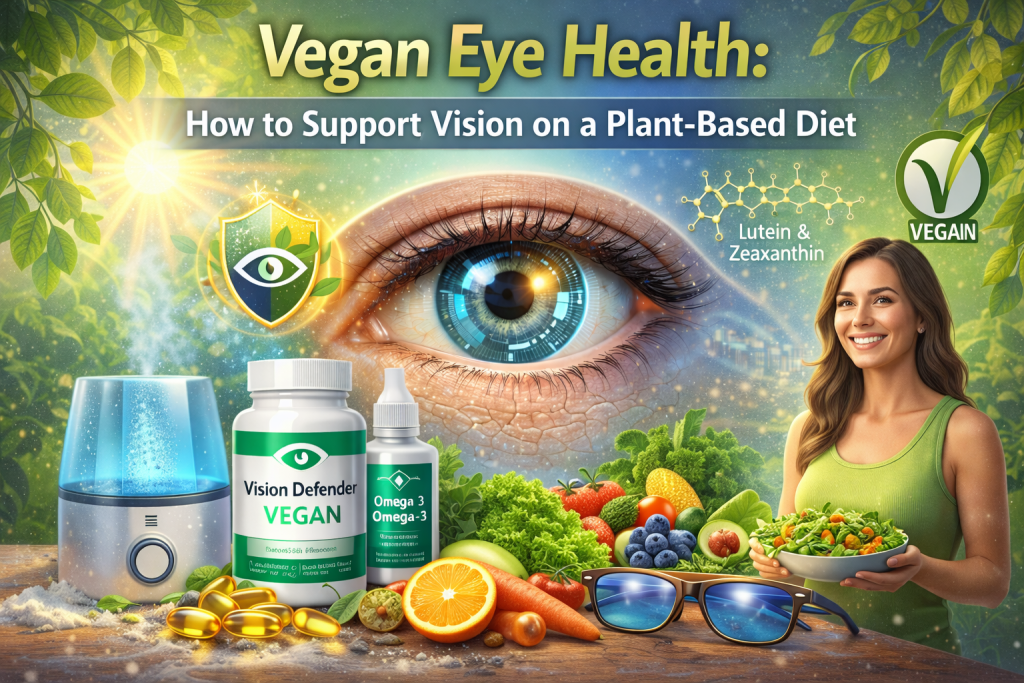
Plant-based and vegan lifestyles continue to grow in popularity, driven by ethical, environmental and health motivations. While a well-planned plant-based diet can support overall well-being, excluding animal products means certain nutrients require closer attention.
This is particularly important for eye health, as the eyes rely on a steady supply of specific vitamins and minerals to maintain comfort, function and long-term protection. Understanding vegan eye health helps individuals make informed choices that support vision throughout life.
Why nutrition plays a key role in eye health
The eyes are highly metabolically active and sensitive to nutritional balance. Over time, poor intake or absorption of key nutrients may increase the risk of eye disease, visual fatigue or progressive vision loss.
For vegetarians and vegans, plant-based foods provide many protective compounds, including antioxidants and fibre. However, some nutrients essential for eye function are naturally found in animal products, meaning careful planning is needed to avoid nutritional gaps.
A balanced diet that considers both intake and absorption is central to supporting vegan eye health over the long term.
Vitamin A and plant-based sources
Vitamin A supports the surface of the eye and plays a key role in low-light vision. While pre-formed vitamin A is found in animal-derived foods such as dairy products, vegans rely on beta-carotene from plant sources.
Foods such as carrots, leafy greens and sweet potato are rich in beta-carotene, which the body converts into vitamin A. Conversion efficiency varies between individuals, influenced by eating habits and overall nutritional status, making adequate intake essential.
Omega-3 fatty acids and tear support
Omega-3 fatty acids are associated with tear quality and retinal health. The most studied forms are commonly found in oily fish, which are excluded from a vegan diet.
Plant-based sources such as flaxseed, chia, walnuts and other nuts and seeds provide alpha-linolenic acid, which the body converts into usable omega-3 forms. Conversion rates are limited, meaning intake may need to be carefully managed as part of a vegan diet and eye health strategy.
Lutein, zeaxanthin and protective pigments
Lutein and zeaxanthin are carotenoids concentrated in the macula, where they help filter high-energy light and protect against oxidative stress. These nutrients are widely associated with reduced risk of cataracts and age-related changes.
Plant-based foods such as kale, spinach and other leafy greens are excellent sources of lutein and zeaxanthin. Absorption is improved when consumed with dietary fats, reinforcing the importance of a varied, balanced diet.
Vitamin B12 and nerve health
Vitamin B12 supports nerve function, including pathways involved in visual processing. It is naturally present almost exclusively in animal products, making deficiency a recognised concern for vegans.
Low vitamin B12 levels may affect neurological health and are one of the most common vegan nutrient deficiencies. To maintain adequate levels, many vegetarians and vegans rely on fortified foods or supplementation as part of a long-term nutrition plan.
Zinc and mineral balance
Zinc supports vitamin A transport and plays a role in retinal metabolism. While it is found in legumes, whole grains, nuts and seeds, absorption from plant foods can be reduced by naturally occurring compounds.
Using food preparation methods such as soaking or sprouting can improve mineral availability and support zinc intake within a plant-based diet.
Antioxidants and eye protection
Plant-based diets are often rich in antioxidants that help protect eye tissues from oxidative damage. Vitamins C and E, along with polyphenols found in fruits and vegetables, support cellular protection and long-term eye resilience.
Several studies showed that diets high in plant-derived antioxidants are associated with a lower risk of cataracts and may help protect against progressive eye conditions.
When supplementation may be appropriate
Whole foods should form the foundation of any diet, but supplementation may help address gaps where intake or absorption is limited. This is particularly relevant for vitamin B12, iodine and omega-3 fatty acids.
Supplementation is not about replacing a healthy diet, but about supporting nutritional consistency, especially where dietary patterns exclude key food groups.
Signs that nutrition may be affecting eye health
Symptoms such as dryness, visual fatigue or difficulty focusing may have multiple causes, but nutrition is one factor worth considering. Over time, inadequate intake of key nutrients may contribute to discomfort or increased vulnerability to eye disease.
Regular eye examinations, combined with nutritional awareness, help identify issues early and support long-term vision protection.
Supporting eye health on a vegan diet
Maintaining eye health on a vegan diet requires planning, variety and awareness. Including a wide range of plant-based foods, healthy fats and fortified products helps support nutrient intake.
Understanding how a vegan diet and eye health are connected allows individuals to enjoy the benefits of plant-based living while reducing the risk of nutritional imbalance and potential vision loss.
Final thoughts
A vegan lifestyle can support overall well-being, but eye health deserves specific attention. Certain nutrients essential for visual comfort and protection require thoughtful sourcing when animal products are excluded.
By maintaining a balanced diet, monitoring potential vegan nutrient deficiencies and using supplementation where appropriate, individuals can actively support vegan eye health. At Vision Defender, we believe evidence-led nutrition empowers informed decisions, helping protect eye health at every stage of life.
Explore Vision Defender’s range of eye health supplements designed to complement a vegan diet and support long-term visual comfort.