Which Eye Supplement?


[DISCLAIMER – this webpage is for information only, and is not intended to diagnose, treat, cure, or prevent any disease. This webpage is not intended to be a comprehensive survey of all the research in eye health and nutritional supplements.]


What can help with…

Supplementation with the macular carotenoids lutein, zeaxanthin, and meso-zeaxanthin have been shown to increase macular pigment (MP) density [1]. In particular, continuous and sustained supplementation in subjects with early AMD resulted in further augmentation of MP and confers visual benefit in terms of contrast sensitivity [2].

Lutein 10mg, zeaxanthin 2mg, and meso-zeaxanthin 10mg is the most studied combination and strength.

Recommendations: A supplement containing lutein 10mg, zeaxanthin 2mg, and meso-zeaxanthin 10mg.

Also consider: Many studies have shown a favourable link between a high intake of omega-3 and lower risk of AMD[3][4] – taking DHA/EPA omega-3 supplements is likely to be beneficial, especially in people with a low intake of oily fish.

Be aware of: Supplements containing inadequate strengths of lutein, zeaxanthin, and meso-zeaxanthin.

Further Reading: Do Macular Carotenoid Supplements Help Prevent Macular Degeneration?

The AREDS2 studies showed that a supplement containing the ‘AREDS2 formula‘ can reduce the risk of those with intermediate AMD progressing to advanced/late AMD[1]. In people with late AMD in one eye, the AREDS2 formula can lower the risk of getting late AMD in the other eye. Recent research has also found that AREDS2 supplements can slow the progression of geographic atrophy, an advanced form of dry AMD [1a]. AREDS supplements won’t prevent or cure AMD, but they can slow it, and are useful in most stages of AMD, particularly intermediate / late AMD.

The AREDS2 formula consists of:

✓ Lutein 10mg

✓ Zeaxanthin 2mg

✓ Vitamin C 500mg

✓ Vitamin E 400IU

✓ Zinc 25mg or 80mg (but see notes below)

✓ Copper 2mg

The AREDS2 formula has largely superseded the original AREDS formula, and remains the ‘Gold Standard’ in nutritional supplementation in AMD.

Recommendations: A supplement containing the AREDS2 formula, as listed above.

Be aware of: Supplements containing inadequate strengths of the ingredients in the AREDS2 formula. Note that the AREDS2 studies found ‘no significant changes in the effectiveness of the formulation’[2] when reducing zinc from 80mg in the original AREDS formula to 25mg. It may therefore be preferable to consider an AREDS2 supplement with 25mg zinc, as it may have a lower risk of dosage-related side-effects.

Also consider: Meso-zeaxanthin was not investigated in the AREDS/AREDS2 studies as it was discovered later. We now know that meso-zeaxanthin, together with lutein and zeaxanthin, make up the macular pigment in the macula, and crucial for vision[3]. Based on what we know about meso-zeaxanthin, it is likely that the addition of the ‘missing’ macular carotenoid meso-zeaxanthin 10mg to the AREDS2 formula would be highly beneficial in further reducing the risk of advanced AMD[4].

Although the AREDS2 study did not find omega-3 (DHA/EPA) supplementation to further reduce the risk of developing advanced AMD when added to the original AREDS formula, further reviews suggest that AREDS2 was not designed to adequately investigate the beneficial effects of omega-3 in AMD[5]. Furthermore, conflicting studies surrounding omega-3 supplements generally may be due to the fact that omega-3 fatty acids are prone to oxidation, and hence the quality of supplements within and between trials may be variable[6]. Given that many studies have shown a favourable link between a high intake of omega-3 and lower risk of AMD[7][8], taking DHA/EPA omega-3 supplements is likely to be beneficial, especially in people with a low consumption of oily fish, and should be considered taking in conjunction with an AREDS2 supplement.

Further Reading: Are AREDS2 Supplements Recommended in Macular Degeneration?

How Does Omega-3 Help with Dry Eyes and Eye Health?

Research and historic use have shown both bilberry and pine bark extract supplements beneficial in eye health. Analysis of the active constituents of bilberry and pine bark and observation of the favourable effects suggests that when both are taken together, they should work in synergy to lower intraocular pressure (IOP) and hence useful in glaucoma. Multiple studies have shown that this indeed is the case [1][2][3]. Being natural in origin, there inevitably will be varying amounts of the beneficial compounds in bilberry and pine bark. Therefore it is important that the natural extracts are standardised. The studies showing improvement in IOP all involved a standardised extract of bilberry 80mg (standardised to 36% anthocyanins) and pine bark extract 40mg (standardised to 70% procyanidins). It is important to note that supplementation with bilberry and pine bark extract is not a replacement for conventional therapies – rather, it should be considered as a useful option to use alongside conventional therapies in the management of IOP and glaucoma.

Recommendations: A supplement containing both bilberry extract 80mg (standardised to 36% anthocyanins) and pine bark extract 40mg (standardised to 70% procyanidins). The studies show that this combination needs to be taken for a minimum of 3 months and preferably 6 months or more for optimal effect.

Be aware of: Supplements NOT containing standardised amounts of the active compounds listed above.

Also be aware of supplements containing only bilberries and not pine bark extract – bilberry supplements are common, but those combined with pine bark extract are uncommon.

Also consider: Omega-3 (DHA/EPA) supplementation has been shown to significantly reduce intraocular pressure (IOP) in normotensive adults[4]. These findings suggest that omega-3 fatty acids may have therapeutic potential for lowering IOP, which could be beneficial in preventing or managing conditions like ocular hypertension and glaucoma.

Further Reading: Herbal Supplementation in Glaucoma

Supplementation with bilberry or pine bark extract supplements have been shown to improve capillary resistance and reduce leakages into the retina – slowing or preventing diabetic retinopathy[1][2] and even some recovery of vision[3]. It stands to reason that a supplement containing a combination of these ingredients would be beneficial in diabetic retinopathy, and further research is warranted.

Recommendations: A supplement containing standardised extracts of bilberry and/or pine bark (preferably both). The favourable eye-health effects of bilberries are attributed to their high anthocyanins content. Similarly, the beneficial effects of pine bark extract are attributed to their procyanidins content. 

Be aware of: Supplements NOT containing standardised amounts of the active compounds anthocyanins and procyanidins, particularly if the amounts are not shown at all, as the content of the active compounds would be unknown.

Also consider: A study found that higher levels of omega-3 (DHA) are associated with a decreased presence and severity of diabetic retinopathy in individuals with type 2 diabetes.[4] It recommends increasing dietary sources of DHA as a potential preventative measure against retinopathy. Omega-3 supplements with high levels of DHA may therefore be helpful to increase intake.

Further Reading: What Supplements Are Useful in Diabetic Retinopathy?

Multiple studies have shown omega-3 (DHA/EPA) supplements beneficial in reducing the prevalence and severity of dry eye disease[1][2]. However, other studies have not found this[3]. It is worth noting that conflicting studies regarding omega-3 in other areas of health also exist, especially in the heavily researched area of cardiovascular disease. What to make of these conflicting studies? Oxidation may be a factor. DHA/EPA is commonly derived from fish oil, which is highly susceptible to oxidation. No trials have reported the oxidative state of the trial oil which would question the validity of the results and conclusions of these trials[4]. Adding antioxidants (such as vitamin E) reduce (but do not prevent) oxidation[4][5]. Anecdotally, many people have said taking an omega-3 supplement has helped their dry eyes. Therefore it’s worth considering an omega-3 (DHA/EPA) supplement for dry eyes.

Recommendations: A supplement containing DHA/EPA omega-3, especially those with a low intake of oily fish.

Be aware of: Supplements containing ALA (another omega-3 fatty acid) instead of DHA/EPA. ALA is found mainly in plant oils such as flaxseed, and only very small amounts are converted by the body to useful EPA and then to DHA. Practically, this means DHA/EPA needs to be consumed directly from food or supplements. Note that studies of health benefits of omega-3 generally involve using DHA/EPA omega-3 supplements (not ALA omega-3).

Also be aware of omega-3 supplements with no antioxidants (such as vitamin E) added. Such supplements are likely to oxidise and become rancid quicker.

Also consider: Bilberry supplementation, in combination with omega-3 DHA, may be useful in severe dry eye disease. A pilot study explored the effects of a bilberry and fish oil supplement on severe dry eye disease in young and middle-aged adults. Results showed significant improvements in dry eye symptoms, including Ocular Surface Disease Index (OSDI) scores, non-invasive tear break-up time (NITBUT), and phenol red thread test (PRT) results. These improvements were consistent across both age groups, suggesting the supplement’s potential effectiveness in alleviating severe dry eye symptoms[6].

Further Reading: How Does Omega-3 Help with Dry Eyes and Eye Health?

Digital eye strain, also known as computer vision syndrome, refers to discomfort or vision problems caused by prolonged screen use, characterised by symptoms like dry eyes, headaches, and blurred vision. Research have highlighted the potential benefits of micronutrients with nutraceutical properties, such as omega-3 polyunsaturated fatty acids, anthocyanins, and xanthophyll macular carotenoids. These nutrients may help reduce inflammation, oxidative stress, and improve overall visual performance[1].

Recommendations: Recommendations largely depend on what symptoms are present.

Supplementation with omega-3 (DHA/EPA) may be helpful. They are noted for their anti-inflammatory properties and their ability to regulate the body’s inflammatory state. They are particularly beneficial for treating dry eye disease, a common symptom of digital eye strain. Clinical trials have shown that omega-3 supplementation can improve tear evaporation, tear osmolarity, and the severity of dry eye symptoms[1]. See above for more on Dry Eye Disease.

The macular carotenoids lutein, zeaxanthin and meso-zeaxanthin are known for their role in enhancing cognitive functioning and overall visual performance[2]. These nutrients act as natural filters of high-energy blue light, which can harm the macula, the region of the eye responsible for highest visual acuity. By absorbing blue light, they help reduce oxidative stress and inflammation, potentially improving visual performance and sleep quality[3].

Anthocyanins, a type of phytochemical found in certain fruits such as bilberries, have anti-oxidative and anti-inflammatory properties and improves microcirculation. They are known to protect against visually induced cognitive stress and digital asthenopia (eye strain). Studies have shown that anthocyanin (bilberry) supplementation can improve visual performance and reduce symptoms of eye fatigue and discomfort associated with prolonged screen time[4][5].

Be aware of: Supplements with insufficient amounts of lutein, zeaxanthin, and meso-zeaxanthin may not be effective. Additionally, be cautious of DHA/EPA omega-3 supplements with low DHA levels—at least 250 mg of DHA per day is necessary to support normal vision. Omega-3 supplements without added antioxidants, such as vitamin E, are more prone to oxidation and may become rancid more quickly.

Further Reading: Do Macular Carotenoid Supplements Help Prevent Macular Degeneration?

How Does Omega-3 Help with Dry Eyes and Eye Health?

Are Bilberry and Pine Bark Extract Supplements Beneficial in Eye Disease?

While no vitamin or supplement can reverse myopia (nearsightedness), some studies suggest certain nutrients may support overall eye health and potentially slow its progression:

  • Omega-3 Fatty Acids (DHA/EPA): May support retinal health and reduce eye inflammation[1].
  • Vitamin D: Low levels have been linked to increased myopia risk in some studies[2].
  • Lutein and Zeaxanthin: Protect the retina from oxidative damage and blue light exposure.
  • Vitamin A: Essential for maintaining healthy vision and preventing dryness.
  • Zinc: Supports the function of enzymes in the retina and enhances vitamin A absorption.

Encouraging outdoor activities to increase natural light exposure, alongside these nutrients, may also help slow the progression of myopia.

Presbyopia (age-related difficulty focusing on nearby objects) is a natural part of ageing and cannot be reversed by supplements. However, certain nutrients may support overall eye health and help maintain lens flexibility and clarity:

  • Lutein and Zeaxanthin: Protect the eyes from oxidative damage and improve visual function.
  • Omega-3 Fatty Acids (DHA/EPA): Help reduce dryness and inflammation, supporting overall eye comfort.
  • Vitamin C and Vitamin E: Antioxidants that combat oxidative stress and protect the lens.
  • Zinc: Supports retinal health and works with antioxidants like vitamin A.
  • B Vitamins (especially B1, B2, B6, and B12): Support overall eye health by promoting healthy nerve function.

Additionally, maintaining a balanced diet rich in fruits, vegetables, and whole grains can further protect against age-related eye conditions.

Oxidative stress has been implicated in the formation and progression of cataracts. Therefore, supplementation with antioxidants, such as vitamin C and vitamin E, seems a logical choice to combat cataracts. However, various studies have failed to find evidence to support the use of antioxidant vitamin supplements, so they are not specifically recommended at this time. Nevertheless, it makes sense to keep the eyes in good general condition, and various nutrients can help in this. See section on General Eye Health below. A good diet including plenty of fruits and vegetables is also encouraged.

While some promising early research exists, there is currently no strong scientific consensus on supplement recommendations specifically for eye floaters. Nonetheless, maintaining overall eye health is always advisable, and various nutrients can contribute to this. A balanced diet rich in fruits and vegetables is highly recommended. See section on General Eye Health below.

The macula of the eye is essential to central vision and colour vision. The macular pigment (MP) mainly consists of the macular carotenoids lutein, zeaxanthin, and meso-zeaxanthin, and has been shown to protect the retina from oxidative damage and filtering damaging blue light. Hence elevated MP affords protection against the development of many retinal diseases, especially for AMD; contrarily, low MP enhanced the risk of these diseases[1].

Supplementation with lutein, zeaxanthin, and meso-zeaxanthin have been shown to elevate MP density [1]. In particular, the CREST study showed taking lutein 10mg, zeaxanthin 2mg, and meso-zeaxanthin 10mg in participants who have no eye problems increased their macular pigment level, and improved their vision[2].

The action of lutein, zeaxanthin, and meso-zeaxanthin on filtering blue light means it may be especially beneficial for those sitting in front of computer screens and smartphones for long periods of time.

A supplement containing DHA/EPA omega-3 should also been considered – especially since taking 250mg DHA ‘contributes to the maintenance of normal vision’ and is an authorised EU health claim!

Supplements containing bilberries and/or pine bark extract are also worthy of consideration, given their long history of use in eye health, including asthenopia (eye strain)[3] and retinal health[4].

Recommendations: A supplement containing lutein 10mg, zeaxanthin 2mg, and meso-zeaxanthin 10mg, and/or a supplement containing DHA/EPA omega-3. Bilberry and pine bark extract supplements should also be considered, either on their own, or in combination with the above recommendations.

Be aware of: Supplements containing inadequate strengths of lutein, zeaxanthin, and meso-zeaxanthin. Also be aware of low doses of DHA in DHA/EPA omega-3 supplements –  at least 250mg daily dose of DHA is required for ‘maintenance of normal vision’. Omega-3 supplements with no antioxidants (such as vitamin E) added are likely to oxidise and turn rancid quicker.

Further Reading: Do Macular Carotenoid Supplements Help Prevent Macular Degeneration?

How Does Omega-3 Help with Dry Eyes and Eye Health?

Are Bilberry and Pine Bark Extract Supplements Beneficial in Eye Disease?

I’m looking for a Vision Defender eye-care supplement with…
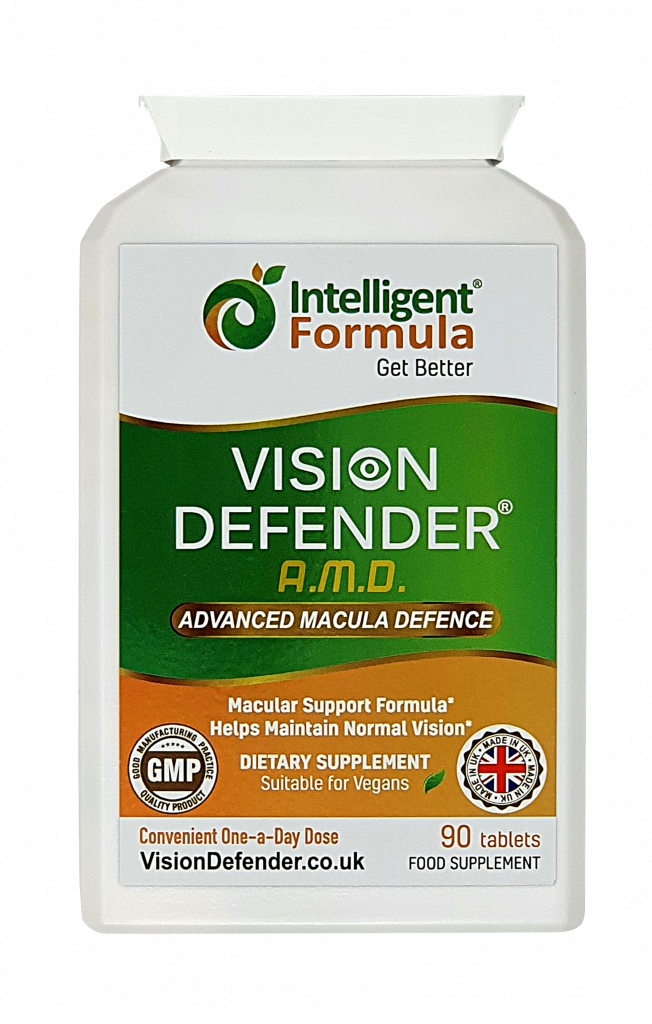
AREDS2 Vision Defender AMD front view

Vision Defender AMD contains the reduced zinc version of the AREDS2 formula in a vegan-friendly 1-a-day tablet:

✓ Lutein 10mg

✓ Zeaxanthin 2mg

✓ Vitamin C 500mg

✓ Vitamin E 400IU

✓ Zinc 25mg

✓ Copper 2mg

Vision Defender AMD PLUS front view
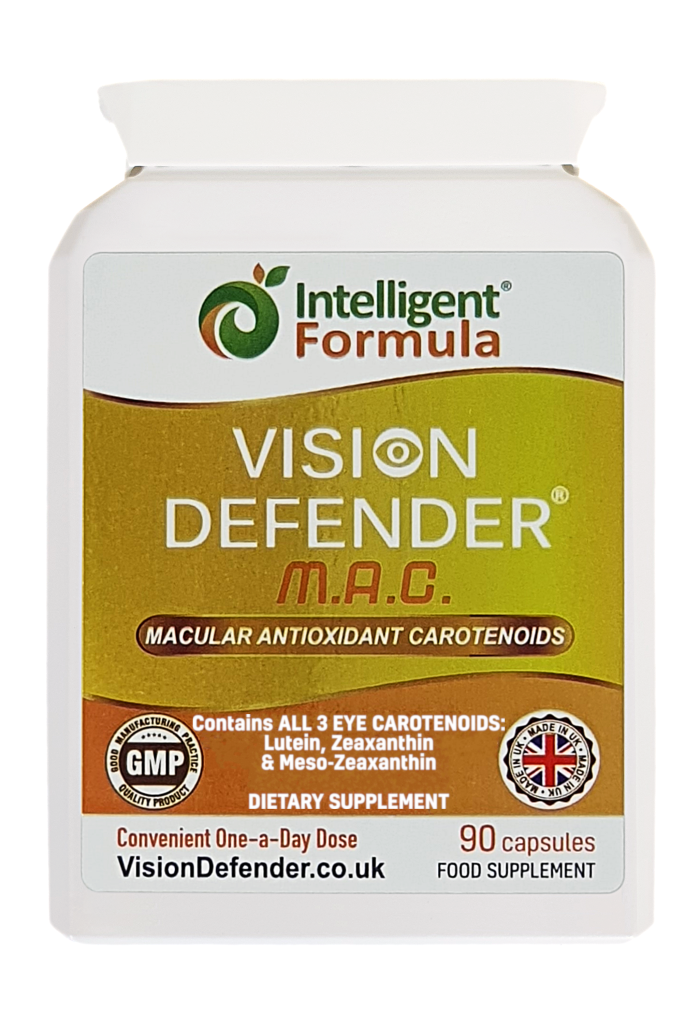
Vision Defender MAC front view

Vision Defender MAC contains optimum strength macular carotenoids in a vegan-friendly 1-a-day capsule:

✓ Lutein 10mg

✓ Zeaxanthin 2mg

✓ Meso-Zeaxanthin 10mg
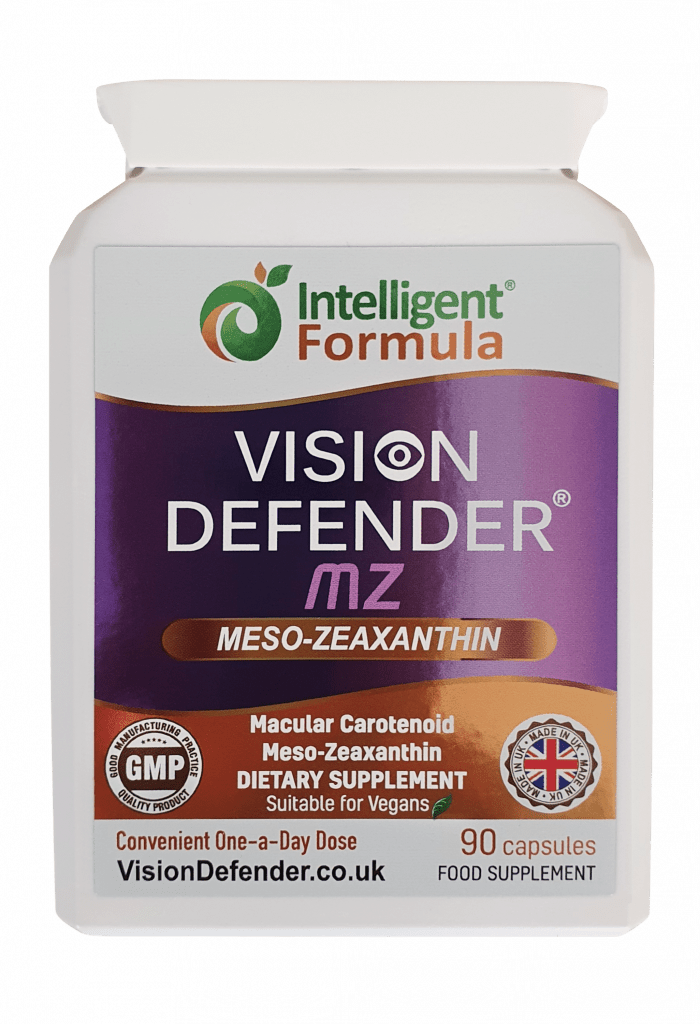
Vision Defender MZ front view

Vision Defender MZ contains optimum strength Meso-Zeaxanthin in a vegan-friendly 1-a-day capsule, designed to complement Vision Defender AMD by adding the ‘missing’ macular carotenoid in the AREDS2 formula:

✓ Meso-Zeaxanthin 10mg
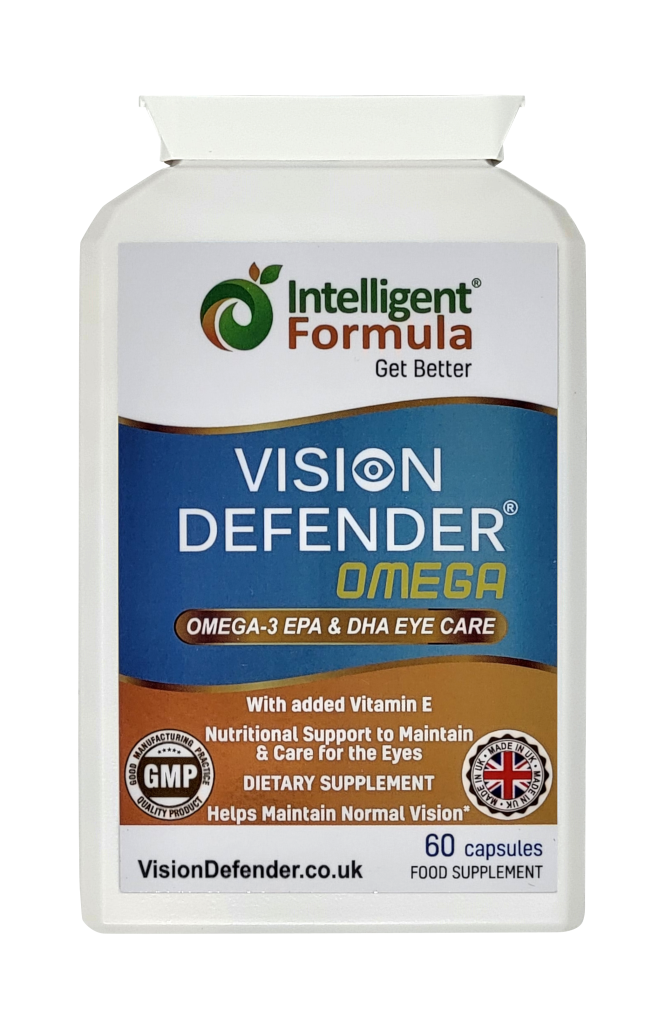
Vision Defender Omega front view

Vision Defender Omega contains high-strength, high purity omega-3 fish oil with a little antioxidant vitamin E added to reduce oxidation:

✓ Fish Oil 1000mg (EPA 400mg, DHA 200mg)

✓ Antioxidant Vitamin E
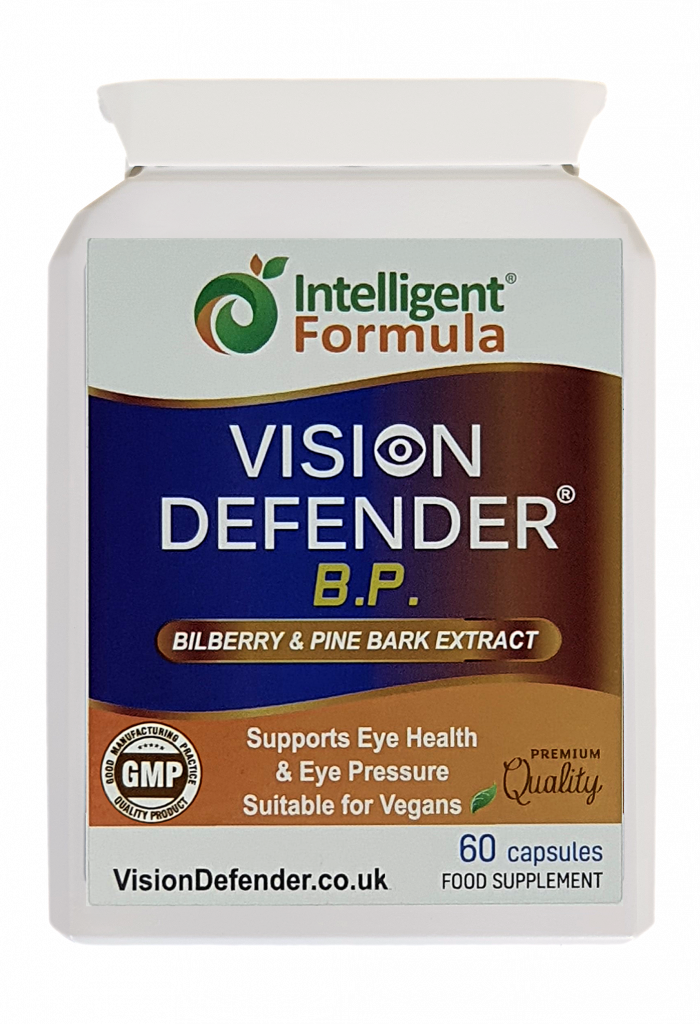
Vision Defender BP front view

Vision Defender BP contains natural extracts of bilberries and pine bark in a vegan-friendly capsule.

✓ Bilberry extract 80mg (standardised to 36% anthocyanins)

✓ Pine Bark extract 40mg (standardised to 70% procyanidins)

Show me a quick comparison table…


Features

COMPARE PACKAGE FEATURES

Intermediate / Late AMD (AREDS2)

Early AMD / Those at Risk from AMD

Glaucoma

Those with or at risk from Diabetic Retinopathy

Dry Eyes

Digital Eye Strain / Computer Vision Syndrome

Blue Light Protection

General Eye Health

Omega

✓ Useful in conjunction with AREDS2 / Vision Defender AMD / Vision Defender AMD PLUS


MZ

✓ Works in synergy with AREDS2 / Vision Defender AMD


AMD


AMD PLUS

✓

AREDS2 Formula enhanced with Meso-Zeaxanthin


MAC


BP


Pricing Table


Features

COMPARE PACKAGE FEATURES

Ingredients per Tablet or Capsule

Directions

Quantity in Pack

Length of Supply

GMP Standards

Free from: Lactose, Gluten, GMO

Suitable for Vegetarians and Vegans

Omega

Fish Oil 1000mg (EPA 400mg, DHA 200mg), Vitamin E 1.34mg

Take TWO softgels daily with a little liquid, preferably at mealtimes

60 softgels

30-60 days / 1-2 months

MZ

Meso-Zeaxanthin 10mg

Take ONE capsule daily with a little liquid, preferably at mealtimes

90 capsules

90 days / 3 months

AMD

AREDS2 Formula: Lutein 10mg, Zeaxanthin 2mg, Zinc 25mg, Copper 2mg, Vitamin C 500mg, Vitamin E 400iu

Take ONE tablet daily with food

90 tablets

90 days / 3 months

AMD PLUS

Enhanced AREDS2 Formula: Meso-Zeaxanthin 5mg, Lutein 5mg, Zeaxanthin 1mg, Zinc 12.5mg, Copper 1mg, Vitamin C 250mg, Vitamin E 200iu

Take TWO capsules daily with food. Can be taken 1 capsule twice daily if required

60 capsules

30 days / 1 month

MAC

Lutein 10mg, Zeaxanthin 2mg, Meso-Zeaxanthin 10mg

Take ONE capsule daily with a little liquid, preferably at mealtimes

90 capsules

90 days / 3 months

BP

Bilberry extract 80mg (standardised to 36% anthocyanins), Pine Bark extract 40mg (standardised to 70% procyanidins)

Take ONE capsule upto twice a day with a little liquid, preferably at mealtimes

60 capsules

30-60 days / 1-2 months

Pricing Table


I’m looking for a book on nutrition and eye health…

Â